
Exploring Arabian Culture Through a Desert Safari in Dubai: A Deep Cultural Immersion
Dubai is widely recognized for its modern skyline, luxurious lifestyle, and technological advancement. However, beyond this contemporary image, a much older and deeply rooted cultural identity is preserved within the vast Arabian desert. It is within this golden landscape that traditions have been safeguarded, stories have been passed down, and a way of life has been maintained for generations. Therefore, a desert safari in Dubai is not merely an outdoor excursion; rather, it is an immersive cultural experience through which the essence of Arabian heritage is revealed.
To begin with, it must be understood that the Arabian desert has long served as the foundation of life in the region. For centuries, survival in this harsh environment was made possible through resilience, adaptability, and community cooperation. Consequently, the customs and traditions that developed were shaped by necessity as well as by deep cultural values. During a desert safari, these traditions are not only displayed but are also experienced in ways that allow visitors to connect with the past.

The Historical Roots of Desert Life
First and foremost, the historical significance of the desert cannot be overstated. The Bedouin tribes, who once inhabited these lands, were known for their nomadic lifestyle. Their lives were organized around seasonal movement, which was dictated by the availability of water and grazing land. As a result, a profound understanding of the desert environment was developed.
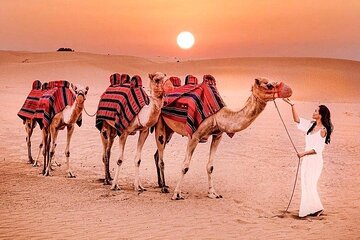
Moreover, camels were relied upon extensively and were considered indispensable. They were used for transportation, trade, and nourishment. In fact, it has often been said that without camels, survival in the desert would not have been possible. Even today, during desert safari experiences, camel rides are offered so that a connection to this historical mode of travel can be maintained.
In addition, the Bedouin lifestyle was characterized by simplicity and strong social bonds. Honor, loyalty, and generosity were highly valued, and these principles have continued to influence modern Arabian society. Thus, through desert safaris, these long-standing values are preserved and presented to a global audience.
The Enduring Tradition of Hospitality
Equally important, Arabian hospitality is considered one of the most defining elements of the culture. Guests are not only welcomed but are treated with exceptional care and respect. This tradition has been carried forward from Bedouin times, when travelers in the desert were offered shelter and food as a matter of survival and moral duty.
During a desert safari, this hospitality is clearly demonstrated. Typically, visitors are greeted with Arabic coffee, known as Gahwa, along with fresh dates. This gesture is symbolic and is meant to convey warmth, friendship, and goodwill. Furthermore, the process of serving coffee is often carried out according to traditional etiquette, which reflects the importance of respect within Arabian culture.
Additionally, the seating arrangements in desert camps are designed to resemble traditional Bedouin tents. Carpets, cushions, and low seating areas are arranged to create a welcoming and communal atmosphere. As a result, guests are encouraged to relax, interact, and share in the experience collectively.
Furthermore, the culinary traditions of Arabia are beautifully showcased during desert safari experiences. Food is not only prepared to satisfy hunger but is also presented as an expression of culture and identity. Therefore, meals served in the desert often include a variety of traditional dishes that have been influenced by centuries of trade and cultural exchange.
Typically, grilled meats, rice dishes, fresh salads, and flatbreads are included in the menu. These dishes are often prepared using methods that have been passed down through generations. For instance, slow cooking and open-fire grilling are commonly employed, as these techniques were historically used in desert environments.
Moreover, dates continue to hold a special place in Arabian cuisine. They are not only consumed for their nutritional value but are also offered as a symbol of hospitality. In addition, traditional desserts, often made with honey, nuts, and aromatic spices, are served to conclude the meal.
As the meal is enjoyed under the open sky, a unique ambiance is created. The quietness of the desert, combined with the flavors of traditional food, provides an experience that is both sensory and cultural.

Camel Riding and Its Cultural Significance
Subsequently, camel riding is introduced as one of the most iconic aspects of a desert safari. This activity is not simply recreational; rather, it serves as a reminder of the essential role camels played in desert life. For centuries, journeys across vast الرمال (sands) were undertaken with the assistance of these animals.
Through camel rides, visitors are given the opportunity to experience the slow and steady pace that once defined travel in the desert. In contrast to modern transportation, this method allows for a deeper appreciation of the landscape and its challenges.
Additionally, it is often explained that camels provided more than transportation. Milk, meat, and materials for shelter were also derived from them. Therefore, their importance in Arabian culture cannot be underestimated.
Falconry as a Cultural Heritage
Another important tradition that is highlighted during desert safaris is falconry. Historically, this practice was developed as a means of hunting in the desert. Falcons were trained to catch prey, thereby providing food for Bedouin families.
Over time, however, falconry has evolved into a cultural symbol and a respected sport. During desert safari experiences, demonstrations are often conducted so that visitors can observe these birds up close. As a result, an appreciation for the skill and dedication involved in falcon training is developed.
Furthermore, falcons are often regarded as symbols of pride and prestige. Their presence in cultural events reflects their continued importance within Arabian society.
Music, Dance, and Artistic Expression
In addition to these traditions, music and dance are also integral components of Arabian culture. During desert safari evenings, performances are आयोजित (organized) to entertain guests while also preserving artistic heritage.
Traditional music is played using instruments such as drums and stringed instruments. The rhythms created are both captivating and culturally significant. Meanwhile, dance performances are presented, often featuring coordinated movements that reflect unity and storytelling.
One particularly mesmerizing performance involves spinning dancers dressed in vibrant costumes. As they rotate continuously, a visual spectacle is created that leaves a lasting impression. These performances are not only meant for entertainment but are also intended to convey cultural narratives.
Henna Art and Cultural Identity
Moreover, henna art is offered as an interactive cultural experience during desert safaris. This ancient practice involves applying natural dye to the skin in intricate patterns. Traditionally, henna has been used during celebrations such as weddings and festivals.
During the safari, skilled artists create detailed designs on the hands of visitors. These designs are not random; rather, they often carry symbolic meanings related to joy, beauty, and protection.
As a result, henna art is not only appreciated for its aesthetic appeal but is also recognized as an important cultural tradition.
Traditional Attire and Its Symbolism
Likewise, traditional clothing plays a significant role in representing Arabian culture. Garments are designed to provide comfort in the desert climate while also reflecting modesty and elegance.
Men are typically seen wearing long white robes, while women wear flowing garments that are often beautifully decorated. These outfits are both practical and symbolic, representing cultural values that have been preserved over time.
In many desert safari camps, opportunities are provided for visitors to try on traditional attire. Consequently, a deeper connection to the culture is established through this interactive experience.
Modern Elements in Desert Safari
On the other hand, it must also be acknowledged that modern elements have been incorporated into desert safari experiences. Activities such as dune bashing, which involve driving across sand dunes in powerful vehicles, are widely popular.
Although such activities were not part of traditional desert life, they have been introduced to enhance the overall experience. Therefore, a balance is created between cultural preservation and modern entertainment.
This blend reflects the broader identity of Dubai, where innovation and tradition coexist harmoniously.
The Serenity of the Desert Night
Finally, as evening transitions into night, the desert is transformed into a शांत (peaceful) and enchanting environment. The absence of artificial light allows the stars to be seen with remarkable clarity.
Historically, the stars were used by Bedouins for navigation and storytelling. Thus, stargazing becomes more than a visual experience; it becomes a connection to ancient knowledge and practices.
In this tranquil setting, visitors are often encouraged to reflect on the simplicity and beauty of desert life.
Conclusion
In conclusion, it can be stated that a desert safari in Dubai serves as a gateway to understanding Arabian culture in its most authentic form. Through carefully curated experiences, traditions are preserved, stories are shared, and cultural values are highlighted.
From hospitality and cuisine to music, attire, and ancient practices, every aspect of the safari contributes to a comprehensive cultural journey. Moreover, the seamless integration of modern elements ensures that the experience remains engaging and accessible.
Ultimately, the Arabian desert stands as a symbol of endurance, heritage, and identity. By exploring it through a desert safari, a deeper appreciation for the richness of Arabian culture is gained. Therefore, this experience is not only recommended for adventure seekers but is also considered essential for anyone wishing to understand the true spirit of Dubai.