
Arabian Tradition in Safari Desert Dubai: A Journey into the Heart of Emirati Heritage
Dubai is often recognized for its futuristic skyline, luxurious lifestyle, and world-class attractions. However, beyond the modern architecture and bustling city life, a rich cultural heritage is preserved in the vast golden deserts that surround the emirate. Through the unforgettable experience of a desert safari, visitors are introduced to the timeless Arabian traditions that have shaped the identity of the United Arab Emirates for centuries.
Not only are breathtaking landscapes encountered during a desert safari, but authentic customs and cultural practices are also showcased. Consequently, travelers are provided with a unique opportunity to connect with the roots of Emirati society while enjoying adventure and entertainment in the heart of the Arabian Desert.
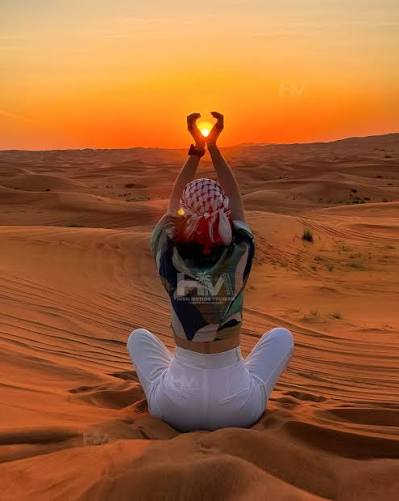
The Historical Significance of the Arabian Desert
The Arabian Desert has long been regarded as the cradle of Bedouin culture. For generations, survival in this challenging environment was achieved through resilience, adaptability, and strong community bonds. Before the discovery of oil, life in the desert was characterized by simplicity, and many traditions that are celebrated today were developed under these conditions.
Furthermore, the desert served as a vital trade route that connected various regions of the Arabian Peninsula. As a result, cultural exchanges were encouraged, and traditions were passed down from one generation to another. Today, many of these customs are preserved and presented during Dubai desert safari experiences.
Moreover, the significance of the desert extends beyond its geographical importance. It is viewed as a symbol of endurance, hospitality, and cultural pride. Therefore, visitors are often inspired by the stories and traditions that have been maintained despite rapid modernization.
Traditional Bedouin Hospitality
One of the most cherished Arabian traditions is hospitality. During a desert safari in Dubai, guests are warmly welcomed in a manner that reflects the values of Bedouin culture. Upon arrival at desert camps, refreshments such as Arabic coffee and dates are typically offered.
Arabic coffee, known as Gahwa, is considered a symbol of generosity and respect. Traditionally, it is prepared using carefully selected spices, including cardamom, and is served in small cups. Additionally, dates are presented as a gesture of goodwill and friendship.
Furthermore, visitors are often invited to relax in traditional seating areas decorated with colorful carpets and cushions. Through these welcoming practices, the spirit of Arabian hospitality is experienced firsthand. As a result, a strong connection between guests and hosts is established.
The Role of Camel Culture in Arabian Heritage
Camels have played an essential role in Arabian life for centuries. Since transportation options were limited in the past, camels were relied upon for travel, trade, and survival across the harsh desert landscape.
During a desert safari, camel rides are frequently offered as one of the main attractions. Through this activity, visitors are given an opportunity to experience a traditional mode of transportation that was once indispensable to desert communities.
In addition, camels are often referred to as the “ships of the desert” because of their remarkable ability to withstand extreme conditions. Their importance in Arabian culture is celebrated through festivals, races, and cultural exhibitions.
Consequently, the historical relationship between humans and camels is highlighted, allowing visitors to gain a deeper appreciation of desert life. Moreover, the significance of these animals continues to be recognized throughout the region.
Traditional Arabian Dress and Its Cultural Importance
Another fascinating aspect of Arabian tradition is traditional clothing. During desert safari experiences, cultural performances and demonstrations often feature authentic Emirati attire.
For men, the traditional garment known as the Kandura is commonly worn. This long white robe is designed to provide comfort in the desert climate. Meanwhile, women traditionally wear the Abaya, a flowing black garment that reflects elegance and cultural values.
Additionally, head coverings such as the Ghutra and Shemagh are used to provide protection from the sun and sand. These garments are not only practical but are also regarded as important symbols of identity and heritage.
As visitors observe or even try on traditional clothing, a greater understanding of Emirati culture is developed. Therefore, the connection between fashion, history, and cultural identity becomes more apparent.
Falconry: A Noble Arabian Tradition
Falconry is considered one of the oldest and most respected traditions in Arabian culture. Historically, falcons were trained for hunting and played a crucial role in providing food for desert communities.
Today, falconry is celebrated as an important cultural practice and is often showcased during desert safari experiences. Visitors are introduced to these magnificent birds and are educated about their historical significance.
Moreover, demonstrations are frequently conducted to highlight the skills involved in training and handling falcons. Through these presentations, the deep bond between falconers and their birds is revealed.
As a result, a greater appreciation for this ancient tradition is fostered among tourists. Furthermore, efforts have been made to preserve falconry as part of the region’s intangible cultural heritage.
Arabian Music and Traditional Dance Performances
No desert safari experience would be complete without the vibrant music and dance performances that are presented during the evening. Arabian music is characterized by rhythmic melodies, traditional instruments, and expressive storytelling.
At desert camps, guests are often entertained by live performances that showcase the artistic heritage of the region. Traditional dances such as the Tanoura dance are commonly performed. During this mesmerizing performance, colorful costumes are worn, and continuous spinning movements are executed with remarkable precision.
Additionally, folk music is played to create an authentic cultural atmosphere. Through these performances, stories of history, celebration, and community are conveyed.
Consequently, visitors are immersed in the rich artistic traditions of Arabia. Furthermore, memorable cultural experiences are created that remain long after the safari has ended.
The Authentic Flavors of Arabian Cuisine
Food occupies a central place in Arabian culture. Therefore, traditional cuisine is considered an essential component of the desert safari experience. Guests are typically treated to lavish buffet dinners featuring a variety of local dishes.
Popular foods such as grilled meats, rice dishes, fresh salads, and traditional desserts are commonly served. Furthermore, specialties including shawarma, kebabs, and lamb dishes are often prepared according to traditional recipes.
Arabic sweets are also enjoyed during the meal. Delicacies such as baklava and luqaimat are frequently offered to provide a taste of regional flavors.
As meals are shared among guests, the importance of community and hospitality is emphasized. Consequently, cultural traditions are strengthened through the simple act of dining together.

Henna Art and Cultural Expression
Henna art is another cherished Arabian tradition that is frequently included in desert safari activities. For centuries, henna has been used to create intricate designs on the hands and feet during celebrations and special occasions.
At desert camps, skilled artists are often available to apply beautiful henna patterns for visitors. These designs are created using natural henna paste and may feature floral, geometric, or symbolic motifs.
Moreover, henna is regarded as more than just decoration. It is associated with joy, beauty, and cultural identity. Therefore, participation in this activity allows visitors to engage with an important aspect of Arabian heritage.
As a result, meaningful cultural interactions are encouraged, and memorable souvenirs are created through this traditional art form.
Storytelling and Oral Traditions
Long before modern forms of entertainment became available, storytelling served as a primary means of preserving history and passing down knowledge. In Arabian culture, stories were shared around campfires and within family gatherings.
During desert safari experiences, elements of this storytelling tradition are sometimes incorporated through cultural presentations and guided narratives. Legends, historical accounts, and moral lessons are conveyed through engaging storytelling techniques.
Furthermore, oral traditions have played a crucial role in maintaining cultural identity across generations. As stories are shared, values such as courage, wisdom, and hospitality are reinforced.
Therefore, visitors are provided with valuable insights into the cultural foundations of Emirati society. Additionally, a deeper appreciation for traditional communication methods is cultivated.
The Beauty of Desert Architecture and Camp Design
Traditional desert camps are often designed to reflect authentic Bedouin lifestyles. As visitors enter these camps, architectural elements inspired by historical desert settlements can be observed.
Natural materials, woven fabrics, and handcrafted decorations are commonly utilized to create an authentic environment. Furthermore, seating arrangements are organized in a manner that encourages social interaction and relaxation.
The design of these camps serves not only aesthetic purposes but also practical functions. For example, shade and ventilation are carefully incorporated to enhance comfort in the desert climate.
Consequently, guests are transported into a setting that reflects the simplicity and elegance of traditional Arabian life.
Preservation of Arabian Traditions in Modern Dubai
Although Dubai has undergone extraordinary development over the past few decades, significant efforts have been made to preserve its cultural heritage. As a result, traditional customs continue to be celebrated alongside modern innovations.
Desert safari experiences play an important role in this preservation process. Through cultural activities, performances, and educational programs, awareness of Arabian traditions is promoted among both residents and visitors.
Furthermore, government initiatives and cultural organizations have supported efforts to safeguard traditional practices. Therefore, future generations will be able to appreciate and learn from their heritage.
The balance between modernization and cultural preservation serves as an inspiring example of how traditions can be maintained in a rapidly changing world.
Why Arabian Tradition Enhances the Desert Safari Experience
A desert safari in Dubai offers far more than adventure and sightseeing. While thrilling activities such as dune bashing and sandboarding are enjoyed, opportunities for cultural discovery are also provided.
Through interactions with traditional customs, visitors gain a deeper understanding of Emirati values and history. Moreover, authentic experiences are created that extend beyond typical tourist attractions.
The combination of hospitality, music, cuisine, storytelling, and cultural demonstrations ensures that each safari becomes a meaningful journey into Arabian heritage. Consequently, visitors leave with not only unforgettable memories but also a greater appreciation for the traditions that continue to shape Dubai’s identity.

Conclusion
Arabian traditions remain at the heart of the desert safari experience in Dubai. From the warm hospitality of Bedouin culture to the elegance of traditional dress, from the excitement of falconry to the flavors of authentic cuisine, every aspect of the journey reflects a rich cultural legacy.
Furthermore, these traditions provide valuable insights into the history, values, and way of life that have defined the Arabian Peninsula for generations. As visitors explore the golden dunes and participate in cultural activities, they are offered a rare opportunity to connect with the soul of the desert.
Ultimately, a safari in Dubai is not merely an adventure through stunning landscapes. Rather, it is a cultural voyage through centuries of Arabian heritage, where traditions are honored, stories are preserved, and unforgettable experiences are created. Therefore, anyone seeking a deeper understanding of the UAE’s rich cultural identity will find the desert safari to be an extraordinary and rewarding experience.