
Mastering Desert Safari Photography in Dubai: Capturing Timeless Moments in the Sands
The desert safari in Dubai is widely regarded as one of the most visually captivating experiences in the world. Vast golden dunes, dramatic lighting conditions, and rich cultural elements are seamlessly combined to create an environment that is both serene and dynamic. As a result, it becomes an ideal setting where photography can be elevated from simple documentation to artistic expression.
In this comprehensive guide, a detailed exploration will be provided on how stunning photographs can be captured during a desert safari in Dubai. Moreover, special emphasis will be placed on the use of transition techniques in photography, while a more passive observational approach will also be reflected throughout the process.
The Unique Beauty of the Desert Landscape
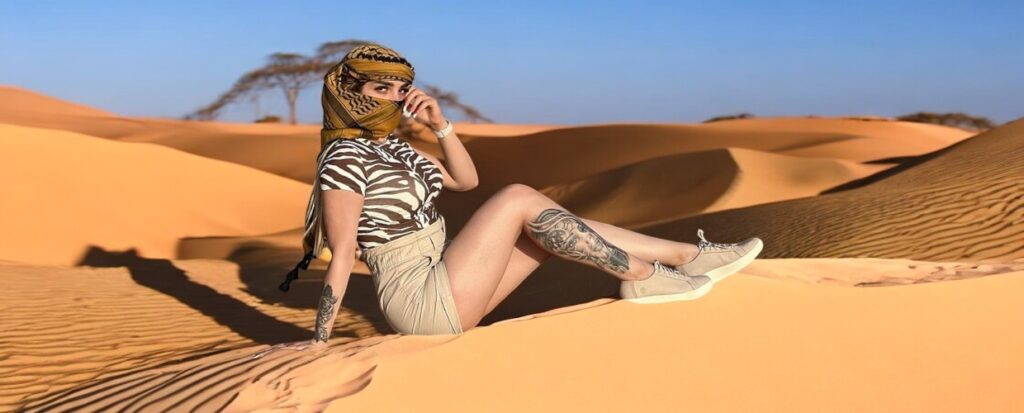
To begin with, the desert landscape is characterized by its minimalism, yet it is enriched with subtle complexity. Unlike urban environments where visual clutter is often present, the desert offers clean lines, soft curves, and uninterrupted horizons. Consequently, attention is naturally drawn to textures, shadows, and tonal variations.
Furthermore, it should be noted that the dunes are constantly reshaped by the wind. Because of this, new patterns are continuously formed, and fresh photographic opportunities are consistently presented. In addition, the sense of scale that is provided by the endless horizon can be effectively utilized to create visually compelling compositions.
However, it must also be acknowledged that the simplicity of the desert can pose challenges. Without careful framing, images may appear empty or lacking in focus. Therefore, thoughtful composition is required so that visual interest can be maintained.
Optimal Timing for Photography
When desert photography is considered, timing is regarded as one of the most critical factors. It is generally observed that harsh lighting conditions during midday can lead to overexposed images and flattened textures. For this reason, specific times of the day are preferred.
Firstly, during sunrise, soft and diffused light is typically present. As a result, gentle shadows are cast, and the الرمال appear smooth and untouched. In addition, cooler temperatures make the experience more comfortable for extended shooting sessions.
Secondly, during the late afternoon, lighting conditions begin to improve significantly. As the sun lowers, longer shadows are formed, and the contours of the dunes are emphasized. Consequently, a sense of depth is added to the images.
Finally, at sunset, the most dramatic scenes are often captured. Warm hues such as orange, pink, and gold are spread across the sky. Therefore, visually striking images can be created with minimal effort.
Moreover, just after sunset, the blue hour can be utilized. During this period, cooler tones dominate the scene, and a calm, cinematic atmosphere is achieved.
Equipment Selection and Preparation
Before embarking on a desert safari, it is recommended that suitable equipment be selected. Although professional cameras are often preferred, impressive results can still be achieved with basic devices.
Smartphones, for instance, are increasingly being equipped with advanced camera systems. By enabling HDR mode and gridlines, balanced and well-composed images can be produced.
On the other hand, DSLR and mirrorless cameras allow for greater control over settings such as aperture, shutter speed, and ISO. As a result, creative flexibility is significantly enhanced.
Additionally, a tripod can be utilized, particularly during low-light conditions. Stability is thereby ensured, and sharper images can be captured.
It is also advisable that extra batteries and memory cards be carried. Since the desert environment can be demanding, resources are often consumed more quickly than expected.
Composition Techniques in Desert Photography
In order to create visually appealing photographs, composition must be carefully considered. Several techniques can be applied effectively in the desert environment.
To begin with, the rule of thirds is frequently used. By dividing the frame into equal sections, subjects can be positioned strategically to create balance.
Furthermore, leading lines can be identified in the natural curves of the dunes. These lines guide the viewer’s eye across the image, thereby enhancing engagement.
In addition, foreground elements can be included. For example, footprints, plants, or human subjects may be placed in the foreground so that depth can be introduced.
At the same time, negative space should not be overlooked. Since the desert provides vast empty areas, minimalistic compositions can be achieved with ease. Consequently, the subject can be highlighted more effectively.
The Role of Light and Shadow
It is widely understood that light plays a crucial role in photography. In the desert, its importance is even more pronounced. Because the terrain is largely uniform, variations in light and shadow become the primary sources of visual interest.
During golden hours, the angle of sunlight is lowered. As a result, shadows are elongated, and textures are accentuated. Therefore, dunes appear more three-dimensional.
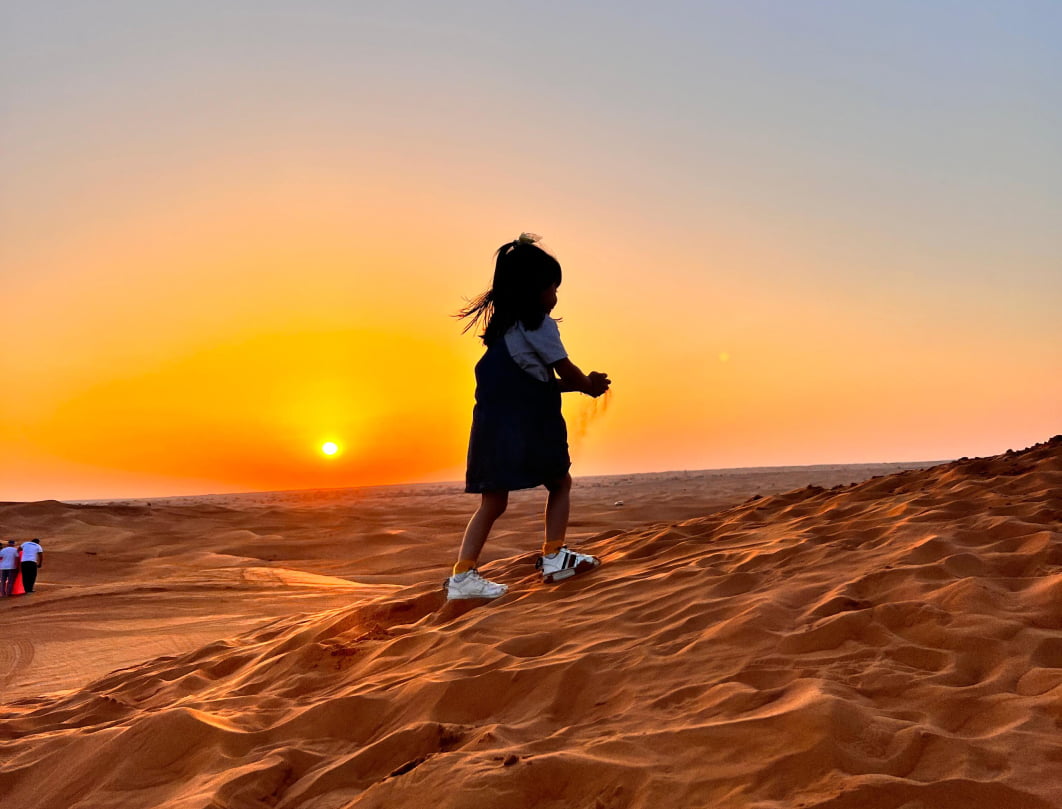
Additionally, backlighting techniques can be applied. When subjects are positioned between the camera and the sun, silhouettes can be created. These silhouettes often produce dramatic and emotionally impactful images.
Capturing Movement and Adventure
A desert safari is not limited to static scenery. On the contrary, it is filled with dynamic activities that can be documented.
For instance, during dune bashing, vehicles move rapidly across the الرمال. By using a fast shutter speed, motion can be frozen. Alternatively, motion blur can be introduced for a sense of speed.
Similarly, sandboarding offers exciting photographic opportunities. Action shots can be captured as individuals slide down the dunes.
Furthermore, camel rides provide cultural depth. These moments can be documented in a storytelling manner, especially during sunset when silhouettes are most effective.
Portrait Photography in the Desert
In addition to landscapes, portrait photography can also be enhanced in the desert setting. Warm tones and natural lighting conditions contribute to flattering results.
It is generally recommended that portraits be taken during early morning or late afternoon. Harsh shadows are thus avoided.
Moreover, wardrobe choices can significantly impact the final outcome. Bright or flowing fabrics are often used to create contrast against the neutral background.
Natural poses should also be encouraged. Movement, such as walking or interacting with the surroundings, can make portraits appear more authentic.
Equipment Protection in Harsh Conditions
While photography is being conducted, it must be remembered that the desert environment can be challenging. Sand and heat can potentially damage equipment.
Therefore, protective measures should be taken. Cameras should be stored in secure bags when not in use. Lens changes should be minimized, especially in windy conditions.
Additionally, protective filters may be attached to lenses. This ensures that scratches and dust do not affect image quality.
After the safari, equipment should be cleaned thoroughly so that longevity can be maintained.
Enhancing Photos Through Editing
Once photographs have been captured, the editing process can be undertaken. Through post-processing, images can be refined and enhanced.
Exposure levels can be adjusted so that details in both highlights and shadows are preserved. Furthermore, contrast may be increased to emphasize textures.
Color adjustments can also be made. Warm tones are often enhanced to reflect the natural beauty of the desert.
However, it is important that over-editing be avoided. A natural look should be maintained so that authenticity is preserved.
Creative Approaches to Desert Photography
In order to make photographs stand out, creative techniques can be explored.
For example, silhouette photography can be practiced during sunset. Subjects are reduced to dark outlines, creating dramatic visuals.
Additionally, panoramic shots can be taken. By capturing multiple frames, the vastness of the desert can be fully represented.
Night photography can also be attempted. Due to low light pollution, stars can be clearly seen. As a result, astrophotography becomes a viable option.
Building a Visual Narrative
Rather than capturing isolated images, it is often more effective for a story to be told through photography. A desert safari naturally provides a sequence of events.
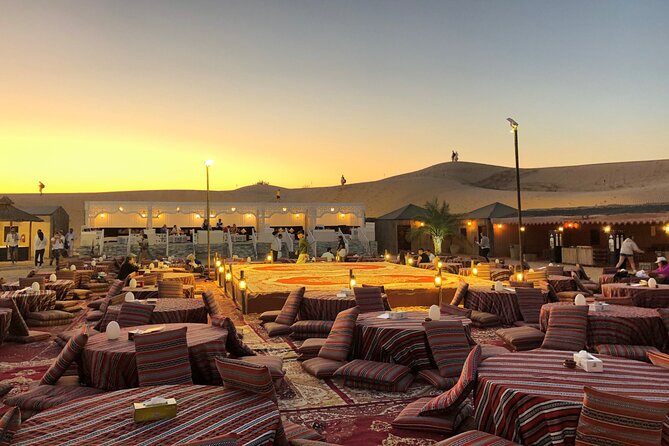
The journey can begin with arrival in the desert. This may be followed by action shots of activities. Subsequently, sunset images can be captured. Finally, evening camp scenes can be documented.
Through this progression, a cohesive narrative can be created. Consequently, the overall experience is preserved in a meaningful way.
Common Mistakes That Should Be Avoided
Despite careful planning, certain mistakes are frequently made. However, these can be minimized through awareness.
Midday photography is often attempted, even though lighting conditions are unfavorable. As a result, images may lack depth.
Composition may also be neglected. Without proper framing, photographs can appear unbalanced.
In addition, overexposure can occur in bright conditions. Highlights may be lost if settings are not adjusted.
Finally, excessive editing can reduce image quality. Therefore, moderation is advised.
Conclusion
In conclusion, it can be stated that desert safari photography in Dubai offers a unique opportunity for creative expression. Through careful planning, effective use of light, and thoughtful composition, stunning images can be produced.
Moreover, by adopting a more deliberate and observant approach, the essence of the desert can be captured in its purest form. Each photograph can be transformed into a visual story, reflecting both the beauty and the adventure of the experience.
Ultimately, it is not only the scenery that is being captured, but also the emotions and memories associated with the journey. Therefore, with patience and practice, desert photography can be mastered, and unforgettable moments can be preserved for years to come.