
Desert Safari Dubai: Experiencing the Serenity of a Camel Ride in the Arabian Sands
Dubai is often recognized for its extraordinary skyline, luxurious lifestyle, and groundbreaking architecture. However, beyond the towering buildings and bustling city life, a completely different world is discovered—the vast and tranquil Arabian Desert. It is within this golden expanse that one of the most authentic experiences is offered: the desert safari. Among its many attractions, the camel ride is particularly cherished, as it is deeply rooted in tradition and is widely regarded as a symbol of Arabian heritage.
Introduction to the Desert Landscape
At the edge of Dubai’s urban environment, the desert begins to unfold gradually. The transformation is subtle at first, yet it becomes increasingly dramatic as the city fades into the distance. Endless stretches of sand dunes are revealed, and a sense of calm is immediately felt. It is in this serene setting that a desert safari is typically आयोजित, allowing visitors to explore a landscape that has remained largely unchanged for centuries.
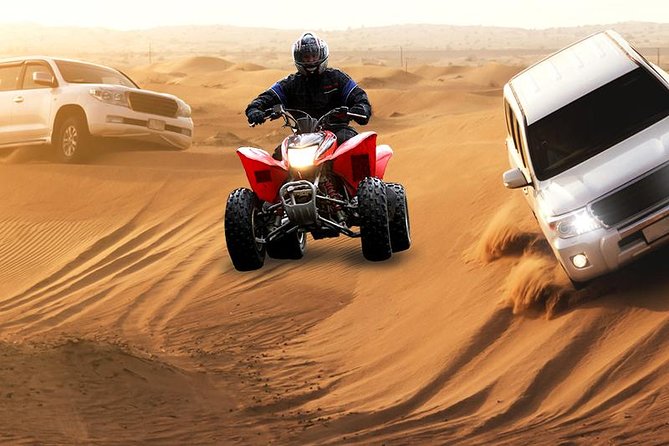
Although various modern activities are included in most safari packages, such as dune bashing and quad biking, a slower and more reflective experience is often preferred by many travelers. Consequently, camel riding is frequently chosen, as it allows the desert to be appreciated at a gentle pace.
Historical Importance of Camel Riding
For thousands of years, camels have been relied upon in the Arabian Peninsula. They have been used for transportation, trade, and survival in one of the harshest climates on Earth. Because of their endurance and adaptability, they were essential to the Bedouin way of life.
The camel, often referred to as the “ship of the desert,” was not only utilized for travel but was also valued for its ability to provide milk, meat, and materials. Even today, its cultural importance is widely recognized. During a desert safari, this historical connection is carefully preserved, and visitors are given an opportunity to experience a traditional mode of transport that has stood the test of time.
Beginning of the Camel Ride Experience
Typically, a camel ride is arranged at a desert camp, where guests are welcomed in a traditional setting. These camps are usually designed to reflect Bedouin culture, and a sense of authenticity is maintained throughout the experience. Upon arrival, visitors are introduced to the camels, and basic instructions are provided by experienced guides.
Mounting the camel is often described as an exciting moment. As the animal rises from a seated position, a forward and backward motion is felt, which may initially seem unusual. However, once balance is achieved, the ride becomes comfortable and enjoyable.
The Rhythm of the Journey
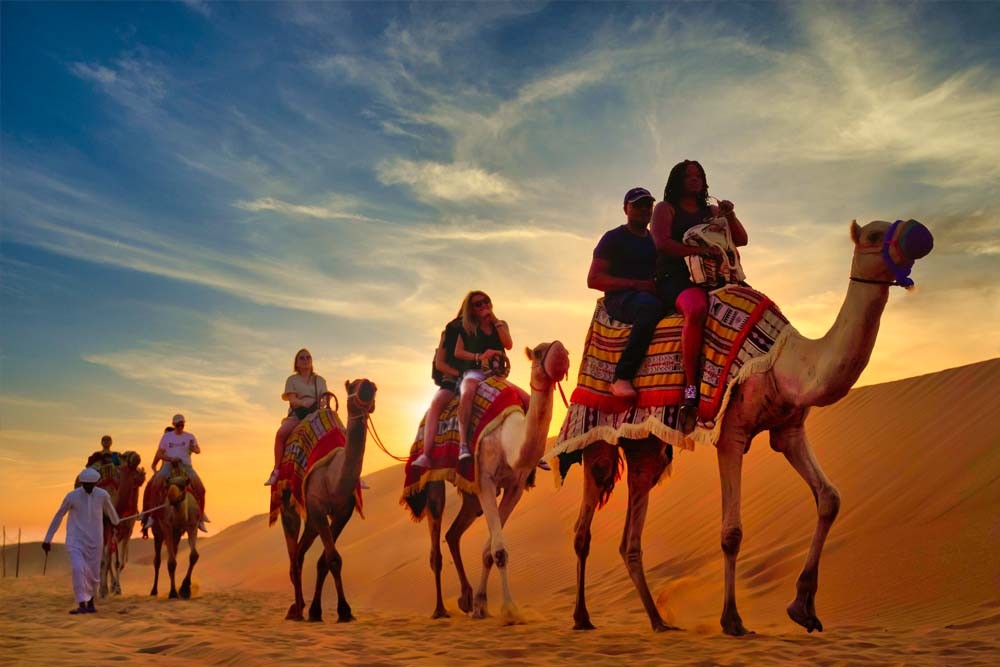
As the camel begins to move, a slow and steady rhythm is established. Unlike fast-paced activities, this movement encourages relaxation and mindfulness. The rider is gently swayed with each step, and the vastness of the desert is gradually absorbed.
During the journey, silence is often experienced, interrupted only by the soft sound of الرمال shifting beneath the camel’s feet. This quiet atmosphere allows visitors to disconnect from the noise of everyday life. In many cases, a sense of peace is reported, as the simplicity of the surroundings is fully embraced.
Sunset Camel Rides: A Visual Delight
One of the most recommended times for a camel ride is during sunset. At this time, the desert is transformed into a breathtaking scene. The sky is painted with shades of orange, pink, and gold, and the الرمال appear to glow under the fading light.
It is during these moments that unforgettable memories are often created. Photographs are frequently taken, as the combination of light and landscape produces stunning visuals. Moreover, a feeling of tranquility is enhanced, as the حرارة of the day begins to subside and a cool breeze is gently introduced.
Cultural Immersion and Bedouin Traditions
In addition to the camel ride, a deeper cultural experience is usually provided. Desert camps are often equipped with traditional seating arrangements, and guests are invited to relax while enjoying local hospitality. Arabic coffee and dates are commonly served, and cultural performances are arranged to entertain visitors.
It is within this environment that the importance of camel riding is further understood. The activity is not presented merely as entertainment but is integrated into a broader narrative of desert الحياة. As a result, visitors are able to gain insight into the traditions and values of the region.
Comfort and Safety Considerations
Although camel riding may seem unfamiliar to some, it is generally considered safe. The animals used are usually well-trained, and their behavior is carefully monitored. Guides are present throughout the ride, ensuring that instructions are followed and that riders feel secure.
Additionally, efforts are made to provide comfort. Saddles are typically padded, and assistance is offered when mounting and dismounting. For those who may feel uncertain, shorter rides are often available, allowing the experience to be enjoyed without चिंता.
Appropriate clothing is recommended, as temperatures in the desert can vary. Light fabrics are usually preferred, and protection from the sun is advised. Sunglasses, hats, and sunscreen are commonly suggested to enhance comfort during the ride.

Integration with Other Safari Activities
A camel ride is rarely experienced in isolation. Instead, it is often included as part of a comprehensive desert safari package. Other activities are usually offered alongside it, creating a well-rounded adventure. These may include sandboarding, falconry displays, and traditional dance performances.
Furthermore, a buffet dinner is often served at the camp, featuring a variety of local and international dishes. As night falls, the desert sky is revealed in its full glory, and stargazing opportunities are frequently provided. In this way, the camel ride is seamlessly integrated into a larger experience that appeals to a wide range of interests.
Environmental Awareness and Responsibility
In recent years, greater attention has been given to environmental sustainability. The desert ecosystem, though resilient, is also delicate. Therefore, responsible tourism practices are increasingly being adopted by safari operators.
Camel riding, being a low-impact activity, is considered environmentally friendly. Visitors are encouraged to respect the natural surroundings by avoiding littering and minimizing disturbance to wildlife. By following these guidelines, the beauty of the desert can be preserved for future generations.
The Emotional Impact of the Experience
It is often observed that a camel ride leaves a lasting impression on those who تجربه it. The combination of natural beauty, cultural significance, and शांत वातावरण creates a unique emotional response. For many, the experience is described as both calming and inspiring.
As the camel moves steadily across the dunes, time seems to slow down. The distractions of modern life are gradually forgotten, and a deeper connection with nature is established. This sense of presence is rarely achieved in everyday settings, making the experience particularly valuable.
Why Camel Riding Stands Out
Among the many activities offered during a desert safari, camel riding is often regarded as the most authentic. While other experiences may focus on excitement and speed, this activity emphasizes tradition and simplicity.
Because of its historical roots, camel riding provides a meaningful perspective on life in the desert. It is not merely an activity to be completed but a journey to be appreciated. Consequently, it is frequently recommended to those seeking a more immersive and reflective experience.
Practical Tips for Visitors
To ensure that the experience is fully enjoyed, several practical considerations should be kept in mind. It is advisable to choose a reputable tour operator, as quality and safety standards can vary. Booking in advance is often recommended, particularly during peak tourist seasons.
Timing is also important. Early morning and late afternoon rides are generally preferred, as temperatures are more comfortable and lighting conditions are ideal. Staying hydrated is essential, and carrying a camera is encouraged to capture memorable moments.
A Lasting Memory
Long after the desert safari has ended, the memory of the camel ride is often retained. It becomes a story to be shared and a moment to be revisited. The gentle sway of the camel, the endless horizon, and the vibrant colors of the sky are remembered vividly.
In a city that is constantly evolving, the desert remains a timeless reminder of the past. Through camel riding, this connection is preserved and shared with visitors from around the world.
Conclusion
The camel ride in a Dubai desert safari is an experience that combines history, culture, and natural beauty. It is through this simple yet profound activity that the essence of the Arabian Desert is truly understood. A journey is taken not only across الرمال but also through centuries of tradition.
Ultimately, the experience is valued not for its speed or excitement, but for its ability to inspire reflection and appreciation. As the desert landscape stretches endlessly and the camel moves steadily forward, a moment of stillness is created—one that remains long after the journey has come to an end.