
Desert Safari in Dubai with Henna Painting: Where Adventure Meets Arabian Tradition
Dubai is often associated with towering skyscrapers, luxury shopping, and architectural wonders. However, beyond the city’s modern skyline, a different world is waiting to be discovered. Just a short drive away, vast golden dunes stretch endlessly beneath the open sky. It is here that one of the most unforgettable experiences in the United Arab Emirates is offered — the desert safari. When this adventure is combined with the timeless art of henna painting, a perfect balance between excitement and culture is created.
In the following guide, the experience of a desert safari in Dubai with henna painting will be explored in detail. From thrilling dune rides to the delicate patterns drawn by skilled artists, every aspect of this journey will be thoughtfully described.
A Journey Beyond the City Limits
To begin with, visitors are usually picked up from their hotels in comfortable 4×4 vehicles. As the busy streets of Dubai are left behind, the scenery gradually changes. Skyscrapers are replaced by open landscapes, and the city noise is slowly faded out. Soon afterward, the rolling dunes of the Arabian Desert come into view.
It is during this transition that the anticipation is often built. The desert, which has shaped the history and culture of the UAE for centuries, begins to reveal its quiet beauty. Although Dubai has become a global hub of innovation, its roots remain deeply connected to desert life. Therefore, a safari is not merely a recreational activity; rather, it is a cultural immersion.
The Thrill of Dune Bashing
Once the vehicles reach the desert, tire pressure is usually reduced to ensure a smooth ride over the sand. Shortly thereafter, dune bashing is begun. During this activity, skilled drivers navigate the 4×4 vehicles up steep dunes and down sharp slopes. As a result, an exhilarating ride is experienced by all passengers.
At times, the vehicle is tilted at dramatic angles, and laughter is often heard throughout the cabin. Although safety measures are strictly followed, the sensation of adventure is fully preserved. Seat belts are fastened, and professional drivers are relied upon to ensure that the ride remains both thrilling and secure.
Consequently, dune bashing is widely regarded as one of the highlights of the desert safari. It is through this high-energy experience that the vastness and power of the desert landscape are truly felt.
A Pause for Desert Photography
After the excitement of dune bashing has been enjoyed, a stop is typically made at a high dune. Here, guests are given time to step out of the vehicle and admire the scenery. Particularly during the late afternoon, the desert is transformed by warm hues of gold, orange, and pink.
Photographs are often taken during this moment, as the sunset creates a breathtaking backdrop. Moreover, the stillness of the desert is appreciated more deeply after the rush of the ride. In this way, a balance between thrill and tranquility is thoughtfully provided.
Camel Riding and Traditional Encounters
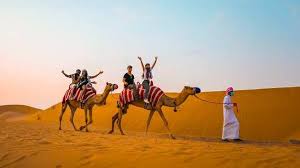
Subsequently, guests are guided to a desert camp, where a variety of cultural activities are arranged. Before entering the camp, camel rides are frequently offered. These gentle animals, often referred to as the “ships of the desert,” have been relied upon for centuries in the region.
As the camel slowly rises to its feet, a brief sense of excitement may be felt. However, once the ride begins, a calm rhythm is established. Through this simple activity, a connection to traditional desert life is subtly created. In earlier times, journeys across vast dunes were completed on camelback, and this heritage is symbolically preserved during the safari.
Arrival at the Traditional Desert Camp
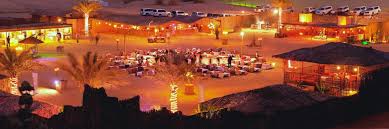
Following the outdoor activities, guests are welcomed into a Bedouin-style desert camp. The camp is typically decorated with carpets, cushions, and low wooden tables. Lanterns are often hung around the area, and soft lighting is used to create a warm atmosphere.
Upon arrival, Arabic coffee and sweet dates are usually offered as a gesture of hospitality. In Middle Eastern culture, welcoming guests with refreshments is considered a sign of respect. Therefore, from the very beginning, visitors are made to feel valued and comfortable.
It is within this inviting setting that henna painting is introduced as one of the evening’s most cherished experiences.
The Timeless Art of Henna Painting
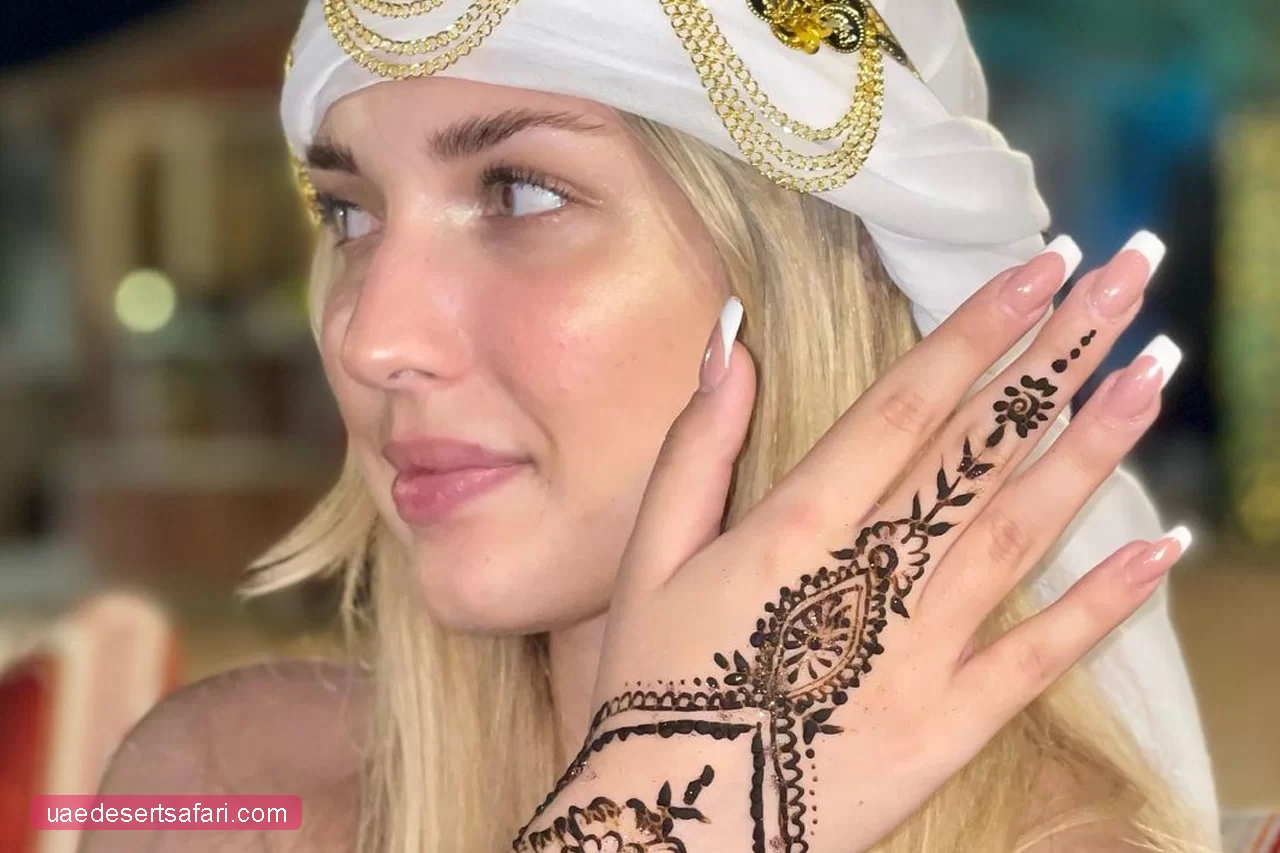
Henna painting, also known as mehndi, has been practiced for centuries across the Middle East, North Africa, and South Asia. The dye is derived from the leaves of the henna plant, which are dried, ground into powder, and mixed into a paste. When applied to the skin, a temporary stain is produced.
Traditionally, henna has been used during weddings, festivals, and celebrations. It has often been regarded as a symbol of joy, prosperity, and beauty. In the UAE, henna designs have long been appreciated for their intricate patterns and cultural significance.
During a desert safari, henna painting is usually offered by skilled female artists who are seated in a designated area of the camp. Guests are invited to choose from a selection of designs, ranging from simple floral motifs to elaborate traditional patterns.
The Henna Application Process
To begin the process, the skin is cleaned and prepared. Then, using a small cone filled with henna paste, the artist carefully draws the design by hand. No stencils are required, as the patterns are often created freehand with remarkable precision.
While the design is being applied, guests are encouraged to remain still. Fortunately, the process is painless and relaxing. In fact, many people find it to be a calming break after the more adventurous activities earlier in the evening.
Once the design has been completed, the paste is left to dry. Over time, it begins to harden and eventually flakes off. A light orange stain is first revealed, which gradually darkens into a rich reddish-brown shade within 24 hours.
Thus, a temporary yet meaningful souvenir is carried home by each participant.
Cultural Significance and Symbolism
Henna designs are not merely decorative. Rather, they are often filled with symbolic meaning. For example, floral patterns may represent happiness and beauty, while geometric shapes can symbolize protection and harmony.
Although modern designs are frequently requested by tourists, traditional motifs are still widely appreciated. By participating in henna painting during a desert safari, visitors are offered an opportunity to engage with a centuries-old art form.
Consequently, a deeper cultural understanding is fostered. Instead of simply observing local traditions, guests become active participants in them.
Evening Entertainment Under the Stars
As the night progresses, live entertainment is usually presented on a central stage within the camp. Performances such as belly dancing and Tanoura dancing are commonly included. During the Tanoura performance, a dancer spins continuously while wearing a brightly colored costume. Through this captivating display, traditional storytelling and music are expressed.
Meanwhile, a BBQ buffet dinner is served. A wide range of dishes is typically offered, including grilled meats, rice, salads, and vegetarian options. Arabic sweets and fresh fruits are often provided for dessert.
While the performances are enjoyed, conversations are shared, and laughter is heard across the camp. Overhead, the desert sky is illuminated by countless stars. In contrast to the bright city lights, the night in the desert feels peaceful and intimate.
Why Henna Painting Enhances the Experience
Although many exciting activities are included in a desert safari, henna painting provides a unique dimension. On one hand, adrenaline is experienced through dune bashing and sandboarding. On the other hand, stillness is embraced during the henna application.
Therefore, a harmonious blend of adventure and artistry is achieved. Furthermore, henna serves as a cultural bridge. Through a simple design drawn on the skin, stories of heritage, celebration, and tradition are silently conveyed.
Even after the safari has ended, the fading henna stain continues to serve as a reminder of the evening spent in the desert.
Tips for a Better Henna Experience
In order to achieve the best results, certain steps are recommended. First, natural henna should always be requested, as it is safe and free from harmful chemicals. Additionally, water should be avoided for several hours after the paste has been removed. This allows the stain to deepen in color.
Moreover, simple designs are advised for those who may be short on time. Complex patterns, although beautiful, require longer drying periods.
By following these suggestions, a darker and longer-lasting result can be ensured.
Choosing the Right Desert Safari Package
A variety of safari packages are offered in Dubai. Evening safaris are the most popular, while morning and overnight options are also available. When selecting a package, inclusions such as transportation, entertainment, and henna painting should be carefully reviewed.
Luxury safaris, in particular, may offer private seating areas, gourmet dining, and extended cultural demonstrations. Regardless of the option chosen, reputable tour operators should be selected to ensure safety and quality service.
Best Time to Visit the Desert
The desert climate can be intense, especially during the summer months. Therefore, the period between October and April is generally considered the most comfortable time for a safari. During these months, cooler temperatures are experienced, particularly in the evening.
As a result, outdoor activities can be enjoyed more comfortably, and the overall experience becomes more pleasant.
A Lasting Impression
In conclusion, a desert safari in Dubai with henna painting is much more than a sightseeing excursion. Rather, it is an experience in which adventure, tradition, and hospitality are seamlessly combined. Through dune bashing, camel riding, cultural performances, and artistic expression, the spirit of Arabia is beautifully showcased.
While the city of Dubai continues to grow and modernize, the desert remains a powerful reminder of its origins. By stepping into this timeless landscape, visitors are offered a chance to slow down, reflect, and connect with a rich cultural heritage.
Ultimately, as the journey back to the city is made and the lights of Dubai reappear in the distance, memories of the desert linger. The laughter shared during the ride, the taste of Arabic coffee, the rhythm of traditional music, and the delicate henna design adorning the hands — all of these moments are woven together into an unforgettable story.
For travelers seeking both excitement and authenticity, this remarkable combination is highly recommended. Through every grain of sand and every graceful henna line, the beauty of Dubai’s desert experience is gently, yet powerfully, revealed.